




Cookie Notice
This website does not use cookies. We do not store or retrieve any information in your browser. No tracking, analytics or preferences cookies are used.
For more details read our privacy policy.


Maddocks Sea Angling Club
Pollack Fishing Tips
How to fish wrecks for pollack
Fishing for pollack over wrecks primarily involves boat fishing on the drift using lures. The technique relies on accurate boat positioning by the skipper and working lures vertically through the water column close to the wreck structure where the fish lie in ambush.
Essential Gear
Rod and Reel: A 12-20lb or 20-30lb class boat rod (around 7-9ft) paired with a multiplier or large fixed spool reel is ideal. The rod should have a fast action to provide backbone but also enough flex to absorb powerful dives.
Line: Braided mainline (around 20-30lb breaking strain) is essential due to its low diameter (less water drag) and zero stretch, which provides excellent bite detection and sensitivity to feel the lure working over the wreck.
Leader: Use a 6-12ft fluorocarbon leader (around 20-30lb) connected to the braid with a strong knot. Fluorocarbon is less visible to fish and more abrasion-resistant against the wreck's sharp edges.
Rigs: The most common and effective rig is a variation of the Flying Collar Rig or the simpler 3 way swivel rig. These use a boom or a simple snap swivel link to attach a lead weight via a weak link (e.g., an elastic band) and a separate, longer hook-length for the lure, which helps minimize snags and tangles.
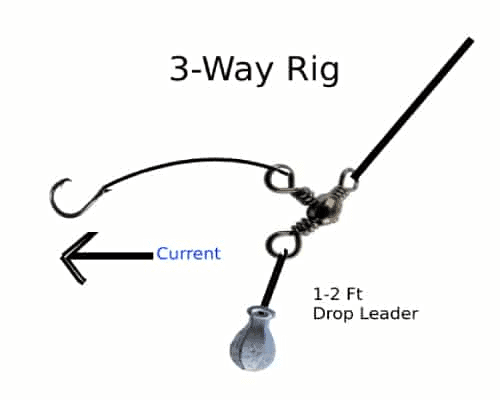
Lures: Soft plastic lures that imitate sandeels, sprats, or small fish are deadly. Popular options include weighted shads like the Sidewinder Skerries Eel or unweighted artificial eels and worms. Carry a variety of sizes and colours to match the baitfish present and the light conditions.
Technique
Boat Positioning: The skipper positions the boat uptide or upwind of the wreck, then allows it to drift silently over the structure.
Dropping the Lure: Once given the signal, let your lure drop quickly to the seabed. Use the minimal lead weight necessary to reach the bottom, which is easier with braid mainline due to less water resistance.
The Retrieve: As soon as you feel the weight hit the bottom, engage the reel and begin a slow, steady retrieve up through the water column.
Finding the Zone: Count the number of turns on your reel handle until you get a bite. This tells you the specific depth (the "strike zone") where the fish are feeding, allowing you to target this depth on subsequent drifts.
The Take Down: Pollock often give a slow, increasing pressure on the rod tip, not a sharp yank. Do not strike; keep winding at the same speed until the rod tip pulls over and the fish hooks itself.
Fighting the Fish: Be prepared for a powerful, rapid dive back into the wreck once the fish is hooked. Keep the line taut and the drag set correctly to apply steady pressure and prevent the fish from snagging you in the structure.
Minimize Snags: Listen closely to the skipper's warnings as you approach or pass over the densest part of the wreck, and wind in quickly to avoid losing your tackle.
Best Conditions
Pollack prefer settled seas and clear water. Overcast days are generally better than bright sunshine, especially in shallower water. The best fishing often occurs on smaller neap tides, which provide a slower drift over the wreck, increasing your fishing time in the target area.